What Is Soft Washing? The Low-Pressure Method That Cleans Without Damage
Soft washing is a cleaning method, not a lighter version of pressure washing. It uses low pressure paired with a cleaning solution to kill organic stains at the root. Here's what it actually is, how the chemistry works, and why a Gulf Coast home needs it.
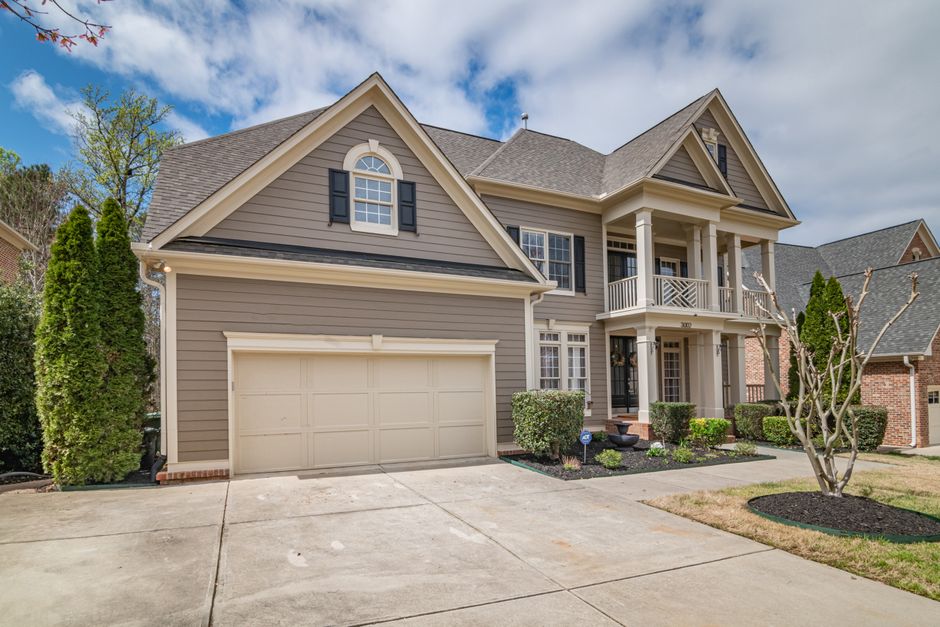
Soft washing is a method that cleans with low-pressure water and a biodegradable cleaning solution — not brute force. The solution (typically a dilute sodium hypochlorite mix with a surfactant) is applied at gentle pressure, left to dwell so it penetrates and kills algae, mildew, and mold at the root, then rinsed away. The chemistry does the cleaning; the water only rinses. Where pressure washing blasts the stain off the surface, soft washing kills the organism that lives a fraction of an inch below it. On a Gulf Coast home, the surfaces that get damaged by high pressure — roofs, stucco, screens, painted siding — are the ones soft washing is for.
“Soft washing” gets said a lot on a coastal job site, usually as the thing that happens while the pressure-washing crew waits for the machine to warm up. But it is not a softer setting on the same wand — it is a different method entirely, built around a different assumption about what the dirt actually is. The assumption that matters here is this: on a Gulf Coast home, most of what discolours your exterior is alive. Algae, mildew, and mold are living organisms that feed on humidity, pollen, and salt air. Killing them requires chemistry and contact time. Removing the green film they leave behind with a blast of water is what a pressure washer does — and it only grows back faster, because the root survives.
The soft-wash recipe, in three parts
A soft-wash application is a deliberate sequence, and skipping any part of it is what turns the job into a repaint six months later:
- Apply the cleaning solution. It is a low-pressure pump (about the force of a garden hose) pushing a measured mix — usually sodium hypochlorite (bleach) diluted to 0.5–1.5%, plus a surfactant to help it cling and a detergent to lift organic film. The surfactant is the part people skip: without it, the mix sheets straight off vertical surfaces before it can dwell.
- Let it dwell. This is the actual cleaning action. The solution penetrates the biofilm, kills the algae and mildew at the root, and breaks the bond holding the stain to the surface. On the Gulf Coast the dwell window is short — ten to fifteen minutes in the sun — because the heat accelerates both the kill and the evaporation, which is why the surfactant matters.
- Rinse with low pressure. Not to clean — to rinse. The water removes the dead growth and the residual chemistry. Because the organism is already dead and detached, you do not need force to move it.
That is the distinction a crew should be able to state in one sentence: pressure washing removes the stain; soft washing removes the growth. The stain is the visible symptom; the growth is the cause. Treat the cause and the symptom stays cleared.
Why Gulf Coast surfaces cannot take real pressure
The method matters more here than it does inland, because the surfaces that the salt air, the humidity, and the year-round growing season work on are exactly the surfaces that high pressure damages. Three examples:
- Stucco. It is a porous cement coating. A pressure washer does two things to it: it pits and erodes the finish, and it forces water into the wall. That second problem is the expensive one — the EPA's guidance on mold and moisture is blunt about the mechanism. Organic growth on stucco is alive, which is precisely why stucco is a soft-wash surface, and why our stucco cleaning guide leads with low pressure.
- Roofs. Every roofing trade body says the same thing. The asphalt shingle manufacturers' own association rules out a power washer entirely for algae discoloration, and the tile roofing association warns that high pressure cracks barrel tile and strips shingle granules — the granules that are the shingle's UV coat. The black streaks you see on a Florida roof are Gloeocapsa magma, a living algae that feeds on the limestone filler in asphalt shingles, not surface dirt. Our roof-streak page lays out the biology.
- Screen enclosures and pool cages. A concentrated jet blows the rubber spline out of the screen track or tears the panel outright — a repair that costs more than the wash. Screens need chemistry and dwell, not force.
The unifying principle is the one that decides soft washing versus pressure washing on every surface: layered, lapped, or porous materials are cleaned by chemistry and dwell time, and the water is only there to rinse. The comparison page walks the full surface list — this one explains why the method exists at all.
When soft washing is the wrong tool
Soft washing is not a universal substitute. It will not remove what is not alive: efflorescence (the white salt bloom on stucco and brick — see our brick checklist for that mineral problem), rust stains, deep-seated oil on concrete, or paint. Those are physical or chemical stains, not organisms, and they need a different approach. Using a soft-wash mix on rust, for instance, just spreads the iron oxide while leaving the source untouched — that is why the rust-stain page exists separately.
Coastal timing: why the schedule is different
On the Gulf Coast the intervals are shorter than national guides assume, because the humidity keeps surfaces damp year-round and the salt air holds moisture against them. A soft-wash that lasts three months inland needs repeating in six to eight weeks here, especially on north-facing walls and shaded roof planes. The coastal cleaning schedule page sets the rhythm; this one explains why it is a schedule of killing, not just washing.
The one question that separates the crews
When you are comparing quotes, the question that sorts them in one answer is not “how much?” — it is “What solution do you use on soft wash, and how long do you let it dwell?” A crew that answers with a chemistry and a dwell time has done this before. A crew that talks only about psi and nozzle size will blast your stucco, your screen, and your shingles the same way, and you will be back on the ladder in six months. On the Lee County coast, the crew we recommend for exterior cleaning leads with soft washing for exactly this reason.
Quick answers
Soft washing uses low pressure plus a biodegradable cleaning solution (sodium hypochlorite and a surfactant) applied at gentle pressure, left to dwell so it kills algae, mildew, and mold at the root, then rinsed away with low-pressure water. The chemistry does the cleaning; the water only rinses. It is the method for roofs, stucco, siding, and screen enclosures — any surface that high pressure would damage. Pressure washing, by contrast, uses high-pressure water alone and is for hard flatwork like concrete.
Frequently asked
What is soft washing?
What is the difference between soft washing and pressure washing?
Is soft washing safe for my roof?
Can I soft wash my house myself?
More How-To
 How-To
Vinyl Siding Oxidation on the Gulf Coast: A Restoration Checklist
That chalky, faded film on your vinyl siding is not dirt and it won't wash off — it is UV oxidation, and on the Gulf Coa…
Read How-To
How to Clean Roof Shingles on the Gulf Coast: Low-Pressure Soft-Wash for Algae Streaks Without Stripping Granules
Pressure washing a shingle roof is not a shortcut — it is the mistake that strips the granules off your shingles and lea…
Read